



Should There Be Homework During CNY?
Tips for a Balanced Holiday

The week of Chinese New Year always feels like a quiet negotiation between two very persuasive forces.
On one hand, you have reunion dinners that stretch late into the night, stacks of bak kwa that mysteriously disappear, and relatives who only see you once a year but somehow still have very strong opinions about your love life.
On the other hand, there are spelling lists, math worksheets, and the faint but persistent knowledge that March exams are just around the corner.
So the real question is not whether homework should exist during CNY. It is how students and families can make space for both celebration and academic consistency without feeling like they are constantly choosing between joy and responsibility. Balance, after all, tends to work better than all-or-nothing thinking – right?

Recently, we spoke to a few of our students after the official CNY break to understand how they actually managed the holiday period. The answers were reassuringly practical. Some students worked in short, focused bursts between visiting relatives. Others kept homework tucked neatly in their bags, treating it less like an urgent task and more like quiet insurance against future stress. What stood out most was not how much work they completed, but how ready they felt returning to school routines.
Why Schools Assign Holiday Homework
Longer breaks can sometimes loosen study habits, particularly for subjects that require regular practice. Holiday homework serves as a gentle anchor, helping students stay connected to learning without forcing them back into full academic intensity after the break.
In Singapore’s fast-paced curriculum environment, small moments of consistency can make re-entry into school life smoother. The idea is not to add pressure, but to protect confidence. Learning is rarely about dramatic bursts of effort. It is usually about steady familiarity with concepts.
Think of holiday homework as stretching before exercise. Nobody usually enjoys stretching. But most people appreciate the absence of pulled muscles later.
When There’s Just Too Much Holiday Homework
The challenge appears when holiday homework and revision take too much away from students’ rest and play time.
Students often return from a long school term already feeling mentally stretched. Adding heavy workloads on top of festive schedules can compress family time, which is often the real heart of CNY. Visiting relatives, sharing meals, and simply being present with family are important parts of the holiday rhythm.
Another common issue is rushed work. When students focus on completing tasks rather than understanding them, homework becomes mechanical. Learning requires engagement, not speed. And tired minds tend to disengage quietly rather than protest loudly. They simply stop absorbing information as effectively.
The “Maintenance Mode” Approach to Holiday Learning

Students do not need to switch into full academic mode during CNY. A more sustainable approach is what we like to call maintenance mode learning.
Maintenance mode is simple. It is about keeping knowledge fresh without turning holidays into mini school terms. Short, focused study sessions usually work better than long sessions where attention drifts between worksheets, snacks, and family conversations in the background.
Rest is not the opposite of learning. It is part of learning. Students who return to school well-rested often find it easier to focus, recall information, and manage workload pressure.
Practical Study Tips for Students
Primary School Students
Primary school students benefit most from short, consistent study habits.
- About 30 – 45 minutes a day is usually enough.
- Focus on reading, comprehension practice, and simple revision of core concepts.
- Unwind at the end of each study session by engaging in physical activities or play.
Learning should feel manageable and confidence-building, not like a race against time or a punishment for enjoying the holiday. At this stage, reinforcing fundamentals matters more than rushing ahead to new material.
Secondary School Students
Secondary school students can work more strategically.
- Set one or two clear learning goals for the week rather than trying to complete everything at once.
- Use holiday homework as revision reinforcement rather than viewing it as a completion exercise.
- Spacing work across several days helps prevent last-minute panic studying, which usually involves late nights, excessive caffeine, and promises to become more disciplined next holiday.
- Take short, regular breaks during longer study sessions, allowing your mind to rest and reset so that attention and memory can remain in tip top condition.
Consistency tends to produce better long-term results than intense but short-lived effort.
Practical Tips for Parents
Parents often play a quiet but powerful role in shaping holiday study habits. The most helpful approach is to act as structure providers rather than constant reminders.
Agree on a simple study plan before CNY begins. Decide when study time will happen and, just as importantly, when study time will end. Clear boundaries reduce daily arguments about homework.
Pay attention to emotional signals as well. If students feel overwhelmed, adjusting expectations is usually more effective than increasing pressure. Motivation grows best in environments that feel supportive rather than demanding.
What We Believe at Matt’s Education
Our approach to holiday learning is simple and practical.
We focus on building confidence and reinforcing understanding rather than overwhelming students with large volumes of work. Holiday learning should feel sustainable, not anxiety-inducing.
Rest, family connection, and emotional recharge time are part of academic success. Students do not need to feel productive every single day to make progress. Education is more of a marathon than a sprint.
A Calmer Perspective on CNY
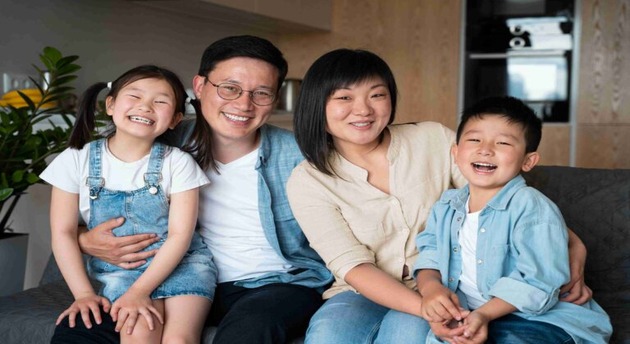
Chinese New Year is meant to feel like a pause in a busy school year rather than a test of discipline or parenting effectiveness.
A little learning, plenty of rest, and meaningful time with family usually create better long-term outcomes than trying to maintain perfect productivity throughout the holiday.
One holiday will not determine a student’s academic future. But good habits built quietly over time often have lasting impact.
If you are looking for more practical study tips, exam strategies, and confidence-building advice throughout the school year, keep following along. Learning, like CNY traditions, is built one small, meaningful step at a time.


Leave a Reply